

The Lay of the Land
More than 400,000 acres of national forest, three mountain ranges, three rivers, 60 area lakes, and 271 miles of creeks and streams, with timber country in the mountains and farm country in the Kootenai River Valley. This land has been supporting timber and farm families for generations.
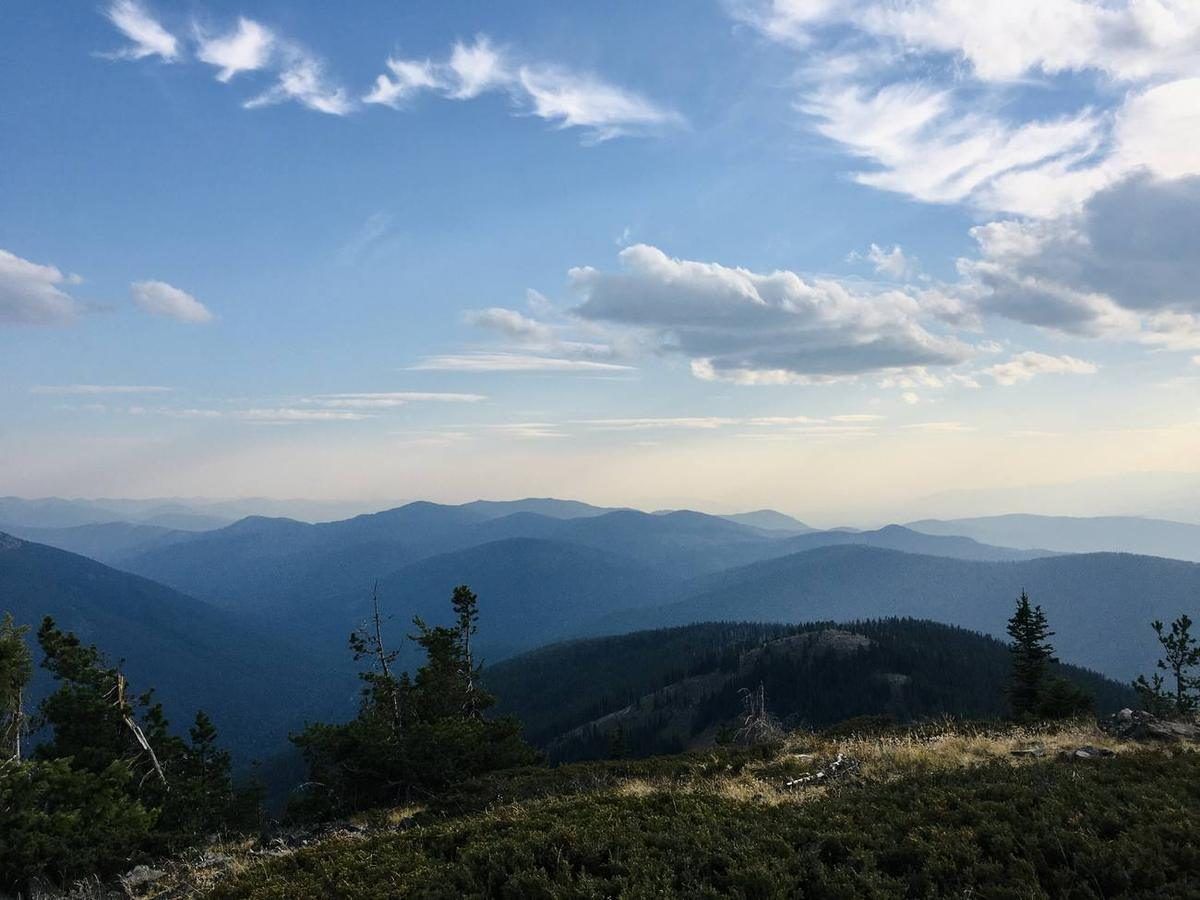
Looking out from Clifty Peak toward the Selkirk Crest. Photo: CENTURY 21 Four Seasons Realty
Most of Boundary County's backcountry is public or protected land. The Idaho Panhandle National Forests cover more than 400,000 acres here, along with the Kootenai National Wildlife Refuge, the McArthur Wildlife Management Area, and The Nature Conservancy's Ball Creek Farm Preserve. Three mountain ranges meet in this corner of Idaho: the Selkirks, the Purcells, and the Cabinets. The Selkirk Crest is the skyline you see from town.
More than 1,000 miles of forest roads and 300 miles of trail lead into that country, from easy family walks to truly remote hikes. For most people here, a trailhead is a short drive from home.
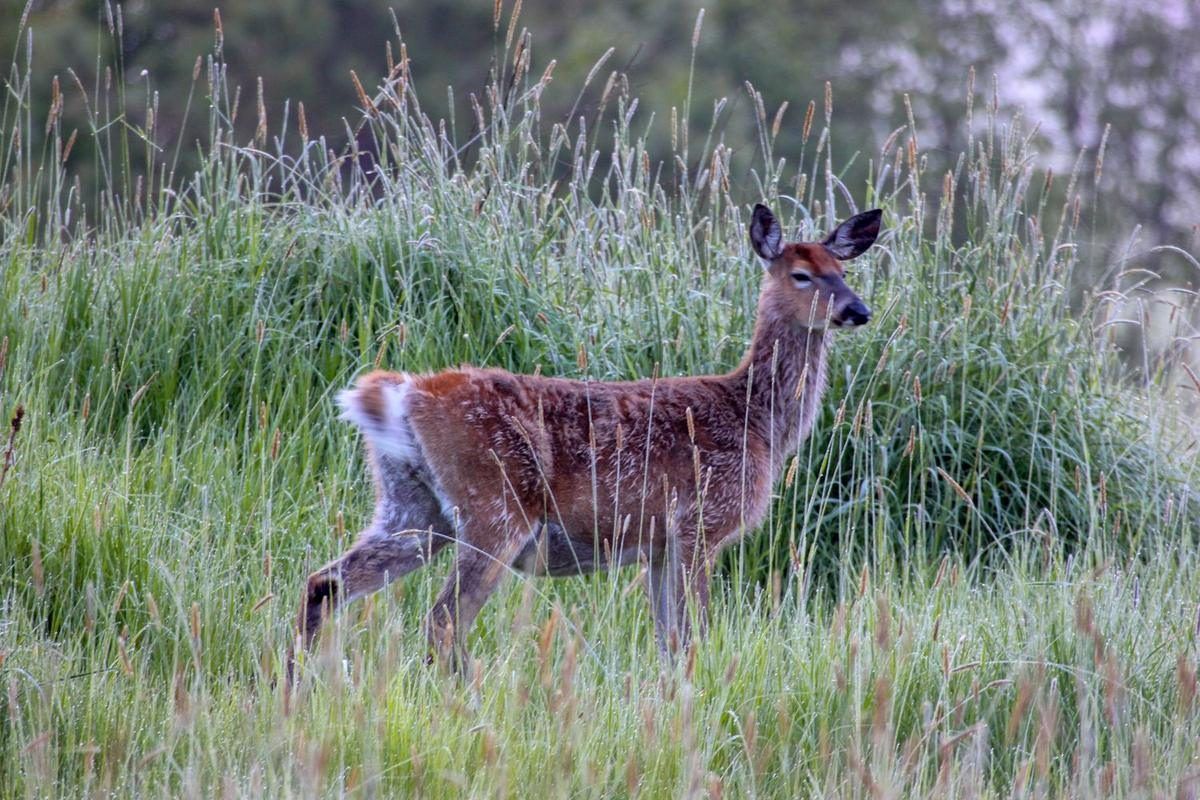
A doe in the morning dew. Deer are in the yard so often here that most people stop noticing, until the garden comes up. Photo: CENTURY 21 Four Seasons Realty
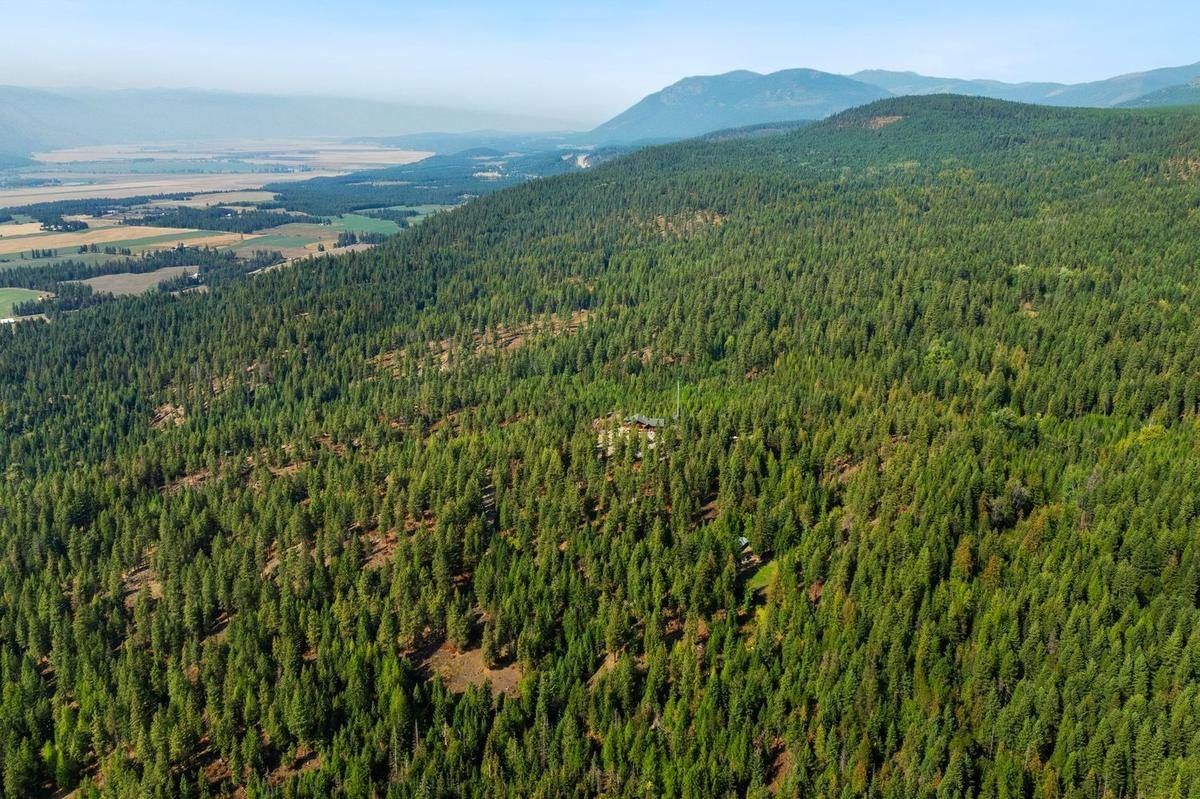
Timber ground on the east side of the valley. Much of the county looks like this from the air. Photo: CENTURY 21 Four Seasons Realty
Sources: Boundary County Comprehensive Plan, Recreation(more than 1,000 miles of roads, 300 miles of trail, 400,000 acres of National Forest); U.S. Forest Service, Idaho Panhandle National Forests.
Timber Country
Timber built Boundary County, and it still anchors the economy. In its heyday the Bonners Ferry Lumber Company grew into one of the largest sawmills in the world, and logs once rode the Kootenai and Moyie in spring drives to the mills. Today the biggest operation is Idaho Forest Group's Moyie Springs mill, running on the bluff above the Moyie River since 1929. It employs more than 130 people and can produce up to 200 million board feet of lumber a year, with the shavings and chips going on to become wood pellets and cardboard. In Naples, Alta Forest Products runs one of its cedar manufacturing facilities, and logging, trucking, and forestry work support families all over the county.
Most of the timber comes from the surrounding national forest and from state endowment land managed by the Idaho Department of Lands, whose timber sales help fund Idaho's public schools. For landowners, that means a working forest right next door: well-maintained forest roads, active logging crews, and plenty of local expertise for anyone managing timber on their own acreage.
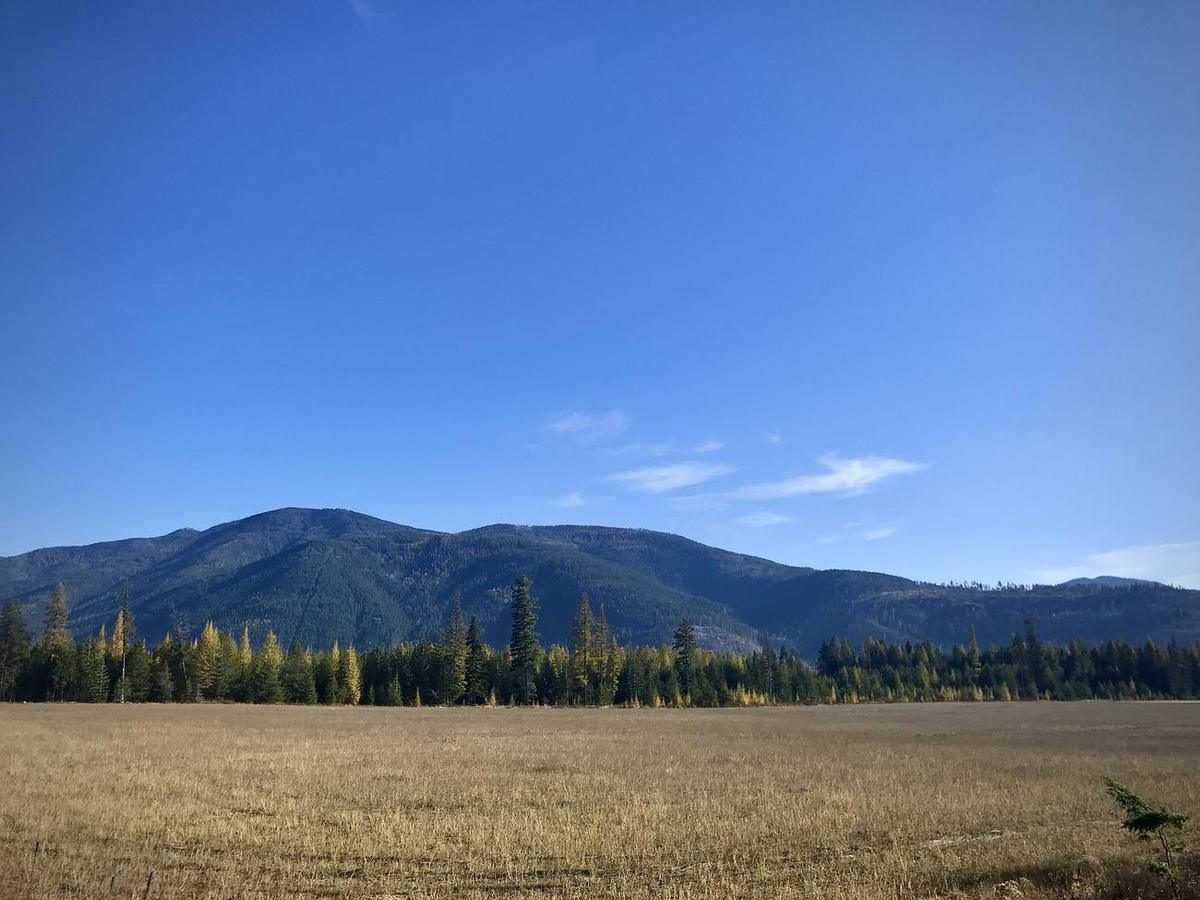
Farm ground near Porthill, at the north end of the Kootenai Valley. Photo: CENTURY 21 Four Seasons Realty
Farm Country
The Kootenai River valley floor is some of the most productive farmland in North Idaho. Beginning in 1921, valley landowners organized drainage districts and taxed themselves to build the dikes, ditches, and pump stations that eventually reclaimed some 35,000 acres of river bottom, ground so rich the valley earned the nickname "Nile of the North." The completion of Libby Dam upstream in 1975 tamed the spring floods and made that farmland far more dependable.
Today Boundary County counts 319 farms on more than 73,000 acres, and 96% of them are family farms. Wheat is the biggest crop by acreage, followed by hay, canola, and barley, and in early summer the canola fields turn whole stretches of the valley bright yellow. North of town, Elk Mountain Farms grows hops for Anheuser-Busch on roughly 1,700 acres, the largest contiguous hop farm in the United States. The county's nurseries and greenhouses rank sixth in Idaho for sales, and cattle, hay, and hobby farms fill in the foothills. For buyers, that means everything from large working farms to small acreages with room for a few animals and a big garden.
Farm figures from the USDA 2022 Census of Agriculture; reclamation figures from the Boundary County Museum.
Your Backyard Playground
Huckleberry Picking
Wild huckleberries ripen in mid to late summer across the national forest, and picking for personal use is free. Commercial picking isn’t allowed, so the berries stay for locals, visitors, and the bears.
Hunting
The whole county sits in Game Management Unit 1, with elk, deer, moose, bear, and more. See On the Trail for tags and licenses.
Wildlife Watching
Moose, elk, eagles, and migrating waterfowl on the Kootenai National Wildlife Refuge and Ball Creek Farm Preserve, both free and open to the public.
Scenic Drives & Lookouts
More than 1,000 miles of forest roads lead to trailheads, lakes, and old fire lookout sites like Katka Lookout, with views across three mountain ranges.
Camping
Public and private campgrounds, from lakeside national forest sites to full-hookup RV parks. See When Guests Visit in Living Here.
Snow Country
Snowmobiling, cross-country skiing, and snowshoeing on groomed trails and forest roads. See Winter in The Four Seasons.